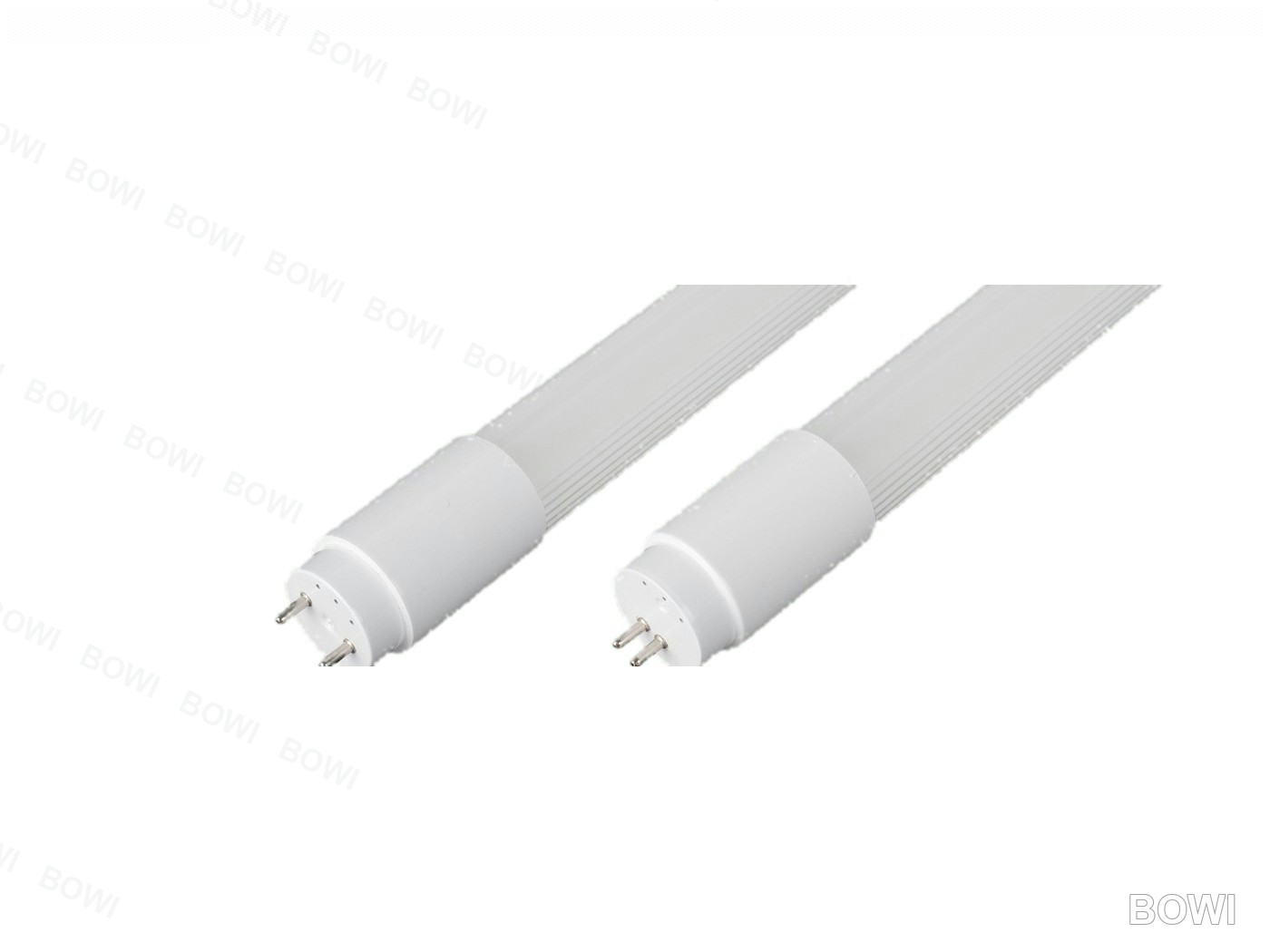
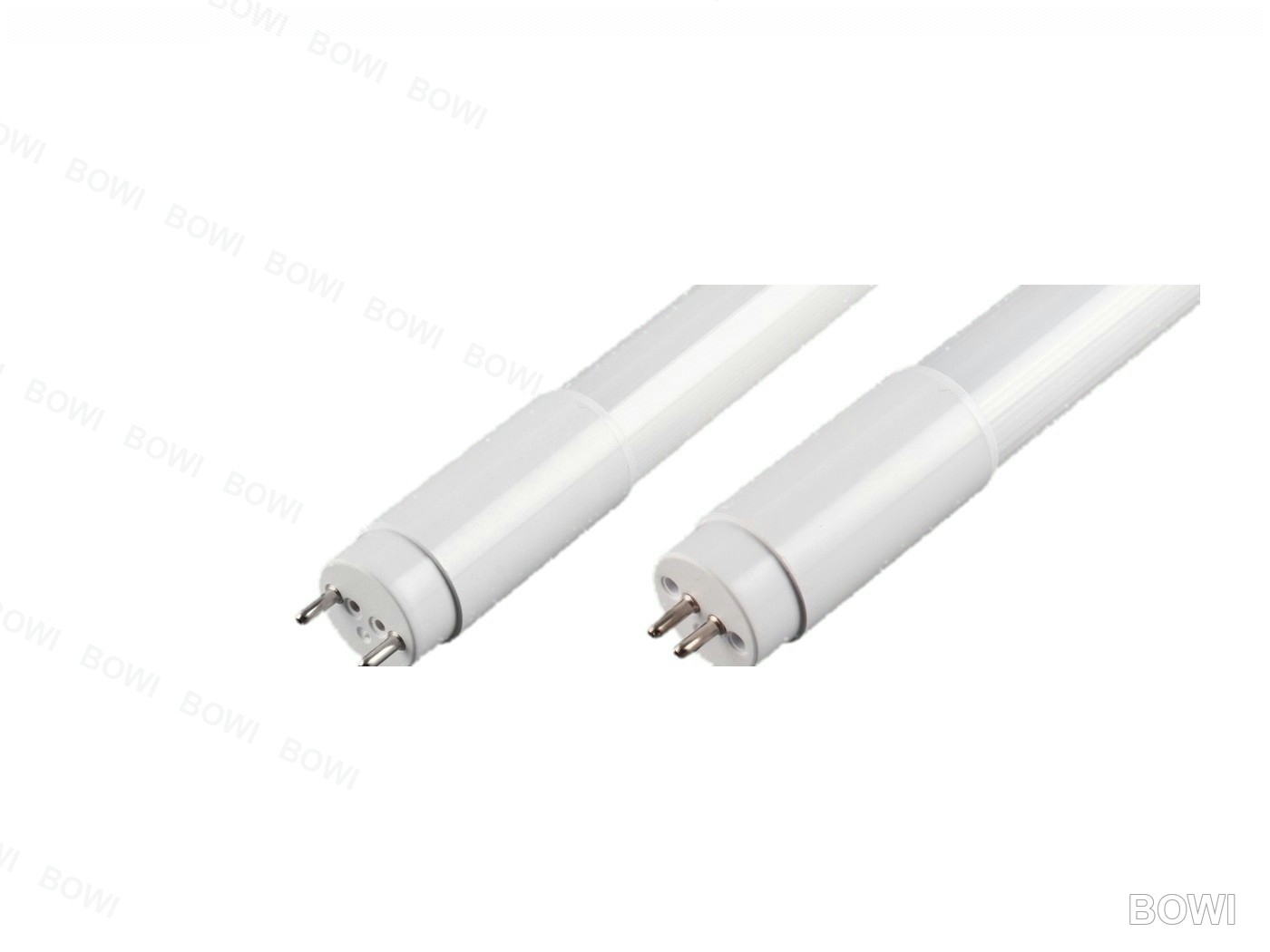
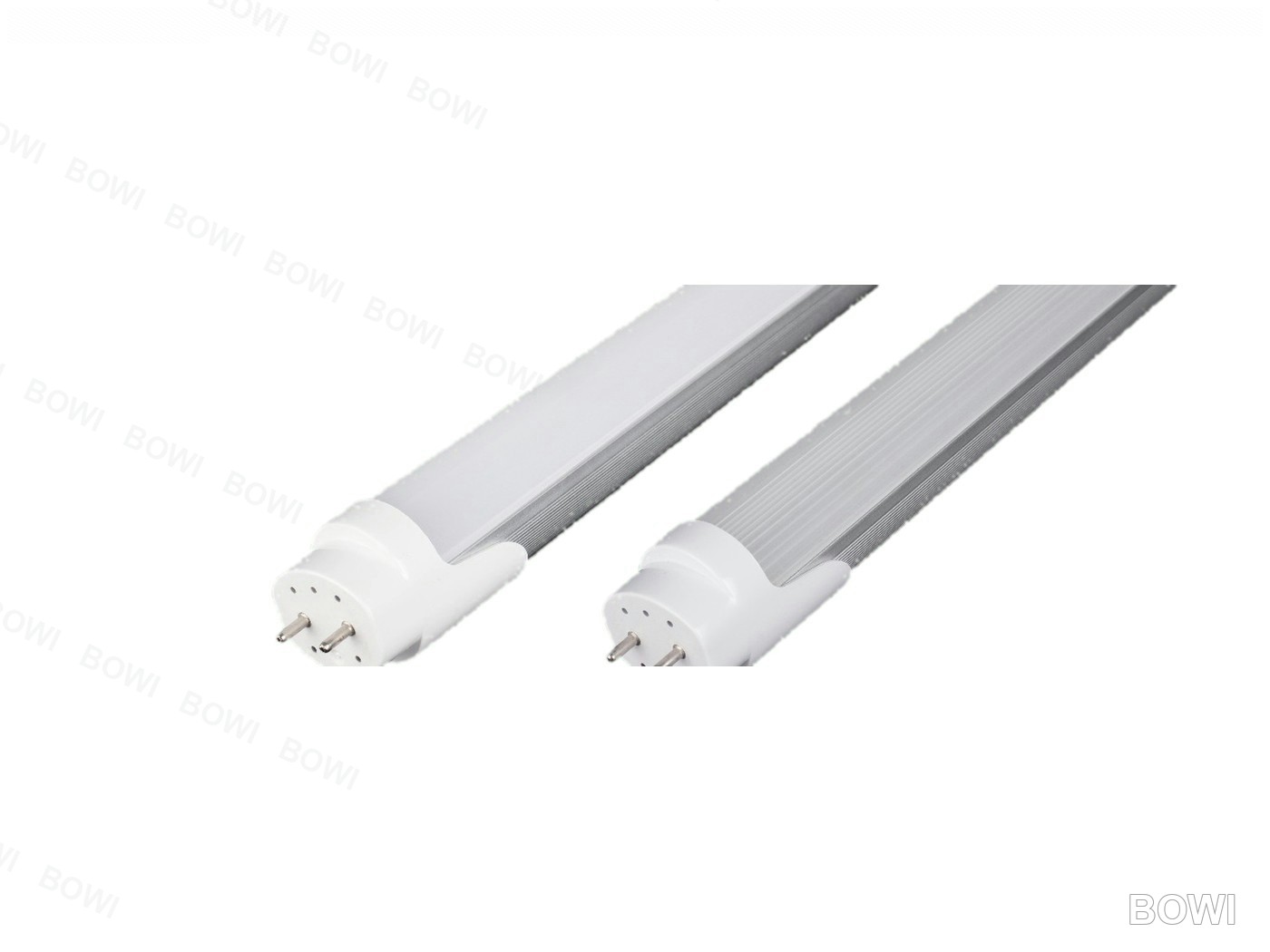
T8 Radar Sensor Tube
Contact BOWI sales for detailed specifications and pricing.
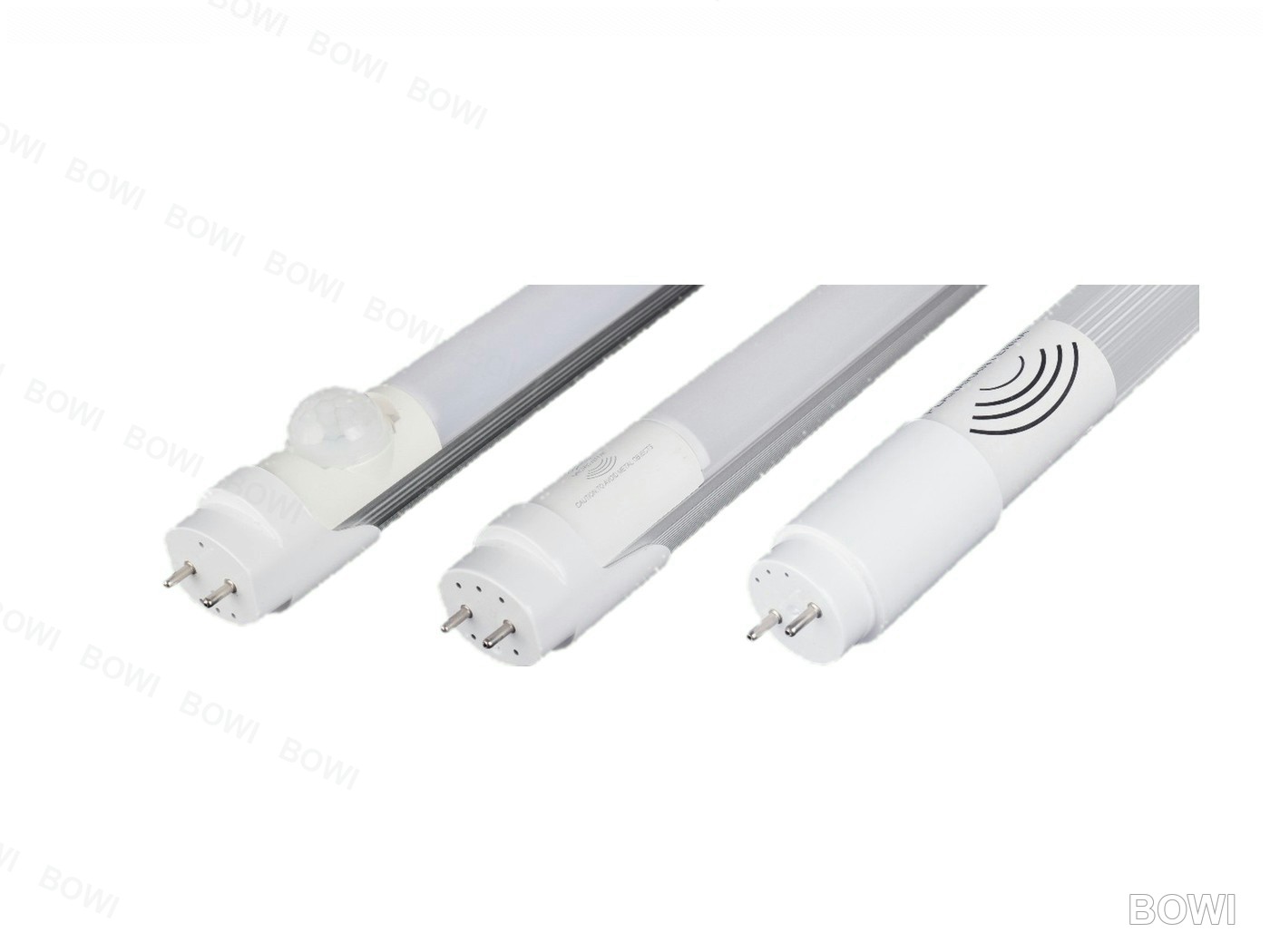
Microwave radar detection: full brightness on approach, dim standby after leaving. A low power level covers garage lighting with minimal standby draw — about 86% savings versus a conventional tube. Available in full-PC, aluminum-PC and infrared versions.
Key Features
- 01Microwave radar detects movement with high sensitivity and better consistency than infrared
- 02Full brightness on approach and dim standby after leaving, avoiding continuous full-power garage operation
- 03Low power level covers garage lighting with minimal standby draw — about 86% savings versus a conventional tube
- 04Full-PC and aluminum-PC bodies; the infrared version suits specific mounting conditions
- 05Each tube works independently with no gateway or cabling — replace tube by tube and see the savings
| Category | Energy-Saving Tubes |
| Brand | BOWI |
| Origin | Changzhou, Jiangsu, China |
| Customization | OEM / ODM Available |
Request the full specification sheet
Custom manufacturing from samples or drawings is available. Full model parameters, specification sheets and pricing are provided by our sales team project by project.
Questions about the T8 Radar Sensor Tube
Which applications does the T8 Radar Sensor Tube suit?
It is specified mainly for Underground parking, Corridors, Warehouses, Areas with intermittent traffic, Garage energy retrofits. Selection follows the room class, mounting condition and target illuminance; BOWI issues a layout and quantity recommendation per project.
What are the key construction points of the T8 Radar Sensor Tube?
Microwave radar detects movement with high sensitivity and better consistency than infrared; Full brightness on approach and dim standby after leaving, avoiding continuous full-power garage operation; Low power level covers garage lighting with minimal standby draw — about 86% savings versus a conventional tube.
How can I get the full specification sheet for the T8 Radar Sensor Tube?
This site covers positioning and construction rather than model-level parameters. Send your application and quantity through the contact page and the engineering team replies with the datasheet, IES file and quotation.